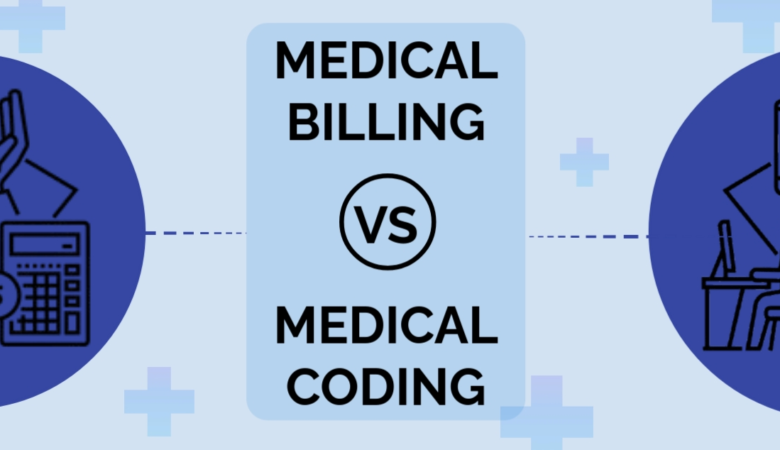
Medical Billing vs. Medical Coding: Understanding the Key Differences

Medical Billing vs. Medical Coding: Understanding the Key Differences

What Is Medical Billing? Medical billing is the process of submitting and following up on claims with health insurance companies to get reimbursement for the given services by medical professionals, and in this, medical billers act as intermediaries between healthcare providers and insurance companies, ensuring proper payment. Key Responsibilities of Medical Billers: Claim Submission: Create and submit insurance claims by using the data from patient visits. Payment Posting: Keep track of payments from patients and insurance companies. Billing Patients: Respond to statements and follow up about outstanding amounts. Compliance: Make sure that regulations like HIPAA and insurance policies are followed. Medical billing requires a thorough understanding of insurance policies, meticulous attention to detail, and good communication abilities to settle claim disputes and speed up payments. What is Medical Coding? Medical coding is the process of converting medical diagnoses, treatments, and equipment into standardised codes. These codes are necessary for properly documenting all patient records and submitting them to the insurance companies. Typical Coding Schemes: ICD (International Classification of Diseases): Codes for diagnoses. CPT (Current Procedural Terminology): Codes for procedures and services. HCPCS (Healthcare Common Procedure Coding System): Codes for medical supplies and services. Key Responsibilities of Medical Coders: Assigning Codes: Analyse clinical records and designate relevant codes. Ensuring Accuracy: Maintain consistency and accuracy in patient records. Cooperation and collaboration: Work with healthcare providers to clarify all documentation. Compliance: Follow the rules and specifications for coding. Medical coders need to stay updated on evolving code sets and guidelines because errors can lead to claim denials. Also Read: Common Medical Billing and Coding Errors Medical Billing vs Medical Coding: The Key Differences Medical billing and medical coding both aim to expedite the healthcare reimbursement process, but their responsibilities and skill sets are very different. Here’s a side-by-side comparison: Aspect Medical Billing Medical Coding Focus Claims processing and reimbursement Converting medical records into codes Role Financial (payment collection) Technical (data accuracy) Interaction Communicates with insurance companies Communicates with healthcare professionals Skills Required Customer service, accounting knowledge Attention to detail, coding expertise Outcome Ensures timely payments Ensures accurate record-keeping Why Are Medical Billing and Coding Important? Together, medical billing and coding services guarantee that healthcare organisations operate efficiently. Coders lay the groundwork by ensuring patient records are appropriately coded while billers handle claims and collect payments. Cooperation of both the parties is crucial to success because errors in either role can lead to financial losses and legal issues. Choosing a Career in Medical Billing or Coding In the expanding healthcare sector, both fields provide fulfilling employment options. In terms of employment opportunities, they are comparable as follows: Medical Coding: Ideal for those who enjoy working with data and medical terminology. Typically requires certification (e.g., CPC, CCS). Medical Billing: Ideal for individuals with strong communication and organisational skills. Certification is beneficial but not always mandatory. Final Thoughts When comparing medical billing vs medical coding, it is very evident that both roles are very much essential in healthcare administration. Medical billers make sure financial procedures function smoothly, whereas medical coders concentrate on accuracy in patient paperwork. Understanding the distinctions between medical billing and medical coding is essential, regardless of whether you’re considering pursuing a career in either area or are just trying to have a better grasp of how healthcare is run. By becoming an expert in one or both of these fields, you can play a vital role in the effective provision of healthcare services.

How Medical Billing Can Maximize Your Revenue

Efficient medical billing is the foundation of a thriving healthcare practice. With growing complexities in insurance policies, coding standards, and compliance regulations, managing the financial side of healthcare is more difficult than ever. Using professional medical billing services can optimise revenue, reduce errors, and streamline cash flow. In this article, we’ll look at how medical billing can help you increase your revenue, emphasising key aspects like revenue cycle management in medical billing, claim management, and revenue optimisation. Understanding Medical Revenue Cycle Management Medical revenue cycle management (RCM) refers to the process of tracking patient care episodes from scheduling and registration to the final payment. It covers everything from coding and invoicing to claim submissions and collection. Efficient RCM ensures that healthcare professionals receive timely and accurate reimbursement for their services. Key Components of Revenue Cycle Management in Medical Billing Patient Registration: Collecting accurate patient and insurance information. Coding and Billing: Using appropriate ICD, CPT, or HCPCS codes for services. Claim Management: Filing clean claims and addressing denials. Collections: Acquiring payments from insurance providers and patients. When managed effectively, RCM reduces revenue leakage and increases cash flow. How Medical Billing Companies Boost Revenue? Professional medical billing companies manage all aspects of the billing process, from coding to collections. Here’s how they can help you increase your revenue: Accurate Coding and Reduced Errors Errors in medical coding and billing are among the leading causes of claim rejections, and outsourcing professionals in medical billing and coding services ensures Accurate coding of all operations and diagnoses. Compliance with current regulations. Reduced claim denials due to faulty or inadequate documentation. Streamlined Claim Management Efficient claim management is critical for maintaining a consistent revenue stream. Medical billing companies excel in: Submitting clean claims on their first attempt. Monitoring claims to prevent delays and rejections. Following up on denied claims to ensure timely payments. Revenue Optimisation Through Analytics Leading medical billing providers use advanced analytics to: Identify trends in claim denials. Highlight opportunities to enhance collections. Provide practical insights to improve financial decision-making. Faster Collections Delayed payments affect cash flow and increase administrative costs. Medical billing companies emphasise: Timely patient billing and reminders. Negotiating with insurance providers to receive faster payouts. Proactively follow up on overdue accounts. Focus on Patient Care Outsourcing billing tasks allows healthcare professionals to focus on delivering high-quality patient care, which leads to better patient satisfaction and retention, which is a critical point of long-term revenue development. The Importance of Technology in Revenue Optimisation Modern medical billing and coding services use advanced technologies to increase efficiency. Here are some ways in which technology boosts medical revenue cycle management: Automation: Streamlines billing, coding, and claim filing. Data Integration: Facilitates information sharing between systems. AI and Machine Learning: Identifies potential errors and optimises workflows. Patient Portals: Improves transparency and efficiency. Also speeds up payments by allowing patients to view and pay their bills online. Medical billing companies can increase collections while reducing costs by adopting cutting-edge technology with their latest tools. Benefits of Working with a Medical Billing Company Working with a professional medical billing company offers several advantages, including: Improved Cash Flow: Faster claim approvals and patient collections. Reduced Administrative Costs: Outsourcing eliminates the need for in-house billing teams. Compliance Assurance: Reduces legal risks by ensuring adherence to industry regulations. Scalability: Adaptable services that grow with your practice. Why Medical Billing is Important for Revenue Maximisation Investing in professional medical revenue services collection is essential for healthcare providers aiming to survive in a competitive marketplace. Medical billing services help practices achieve higher reimbursement rates, reduce administrative hassles, and improve financial stability through accurate coding, efficient claim administration, and timely collections. Final Thoughts In today’s changing healthcare environment, efficient medical billing is more than simply an operational necessity; now it’s a strategic advantage. By utilising the expertise of medical billing companies, practices can optimise their medical revenue cycle management, reduce errors, and achieve long-term growth. Whether you run a small clinic or a large healthcare provider, investing in professional medical billing and coding services is a tried-and-true strategy to maximise your revenue while focusing on what is most important, i.e., patient care.

Why Outsourcing Medical Billing Makes Sense for Small Practices

Introduction Small medical practices frequently face significant challenges with managing medical billing and revenue, including extensive paperwork, account tracking, and bookkeeping. The Role of Outsourcing in Easing Billing Challenges Outsourcing medical billing provides optimized solutions for revenue management, saving time and costs, so healthcare providers can focus on giving the best patient care. Understanding the Complexity of Medical Billing What is Medical Billing? The most straightforward explanation of medical billing is submitting claim documents to the insurance provider and receiving payments for the services provided. More Than Just Claim Submission Medical billing involves complex regulations, understanding coding systems, verifying patient insurance coverage, submitting claims, checking paid or unpaid claims, and handling appeal processes. The Importance of Proper Medical Billing for Financial Health Proper medical billing is crucial for a practice to maintain good financial health. Only with accurate billing can a medical practice sustain its operations and ensure timely payments. Here are the benefits of Medical Billing Outsourcing: Cost-efficient: When you outsource Medical Billing, you save the costs related to hiring billing staff and training them to handle all the different tools related to it. Patient Satisfaction: Outsourcing all your Medical Billing allows you to concentrate on better patient care which leads to more patient satisfaction. Less Billing Errors: Outsourcing Medical Billing eliminates the chances of mistakes and leads to better financial performance for any healthcare provider. Faster Payment Cycle: Efficient Medical Billing helps you file the claim quickly which results in quicker payments. Improved Documentation: As a dedicated team available 24X7 Medical Billing Systems are always revised with all the regulations and billing codes. So you don’t need to. Increased Efficiency: Once you can concentrate on what you do best, you work more efficiently. Medical billing outsourcing allows healthcare providers to focus only on patient care instead of doing administrative work simultaneously. Access to Expert Team: With constantly changing norms and regulations it is hard to keep up with all the updates. Outsourcing Medical Billing allows you to have a team that is proficient in it. Conclusion In conclusion, Outsourcing Medical Billing just doesn’t help you with cost savings but it is a strategic move. As a small medical practice, it gives you the freedom to focus on the finest patient care with more profitability. So when you choose to outsource your medical billing it enhances financial health and improves operational efficiency. FAQ’s 1. What are the primary benefits of outsourcing medical billing for small practices in Texas? Ans. Outsourcing Medical billing for small healthcare practices helps them reduce costs, and billing errors and ensure compliance with the newest billing regulations. It allows healthcare providers to focus on patient care rather than administrative work. 2. How does outsourcing medical billing improve patient care in small Texas practices? Ans. Once you outsource all your billing tasks you have more time to do what you do best which is Patient care. So this leads to better patient-provider relationship and patient satisfaction. 3. What cost savings can small Texas practices expect by outsourcing medical billing? Ans. Outsourcing medical billing removes the overhead administrative cost which can save a lot of money for any small practice. 4. How does outsourcing medical billing help with compliance in Texas? Ans. With continuously changing regulations and billing codes it is hard to keep track of everything. Outsourcing to a skilled billing assistant confirms that small practices are always up to date with the latest laws, and regulations to avoid any fines. 5. How quickly can I expect to see improvements in my practice’s? Ans. As a small practice, you expect to see quicker payments and fewer claim denials. A professional billing team confirms submissions on time and proper claim follow-ups which directly reduces time in settlements.

Get a Free Practice Wellness Report

    Revmax Healthcare
    Privacy Overview

    This website uses cookies so that we can provide you with the best user experience possible. Cookie information is stored in your browser and performs functions such as recognising you when you return to our website and helping our team to understand which sections of the website you find most interesting and useful.